

Your Guide to Marketing Trends and Tech
How we manage complex, high-stakes projects (and stay ready for what doesn’t go as planned)
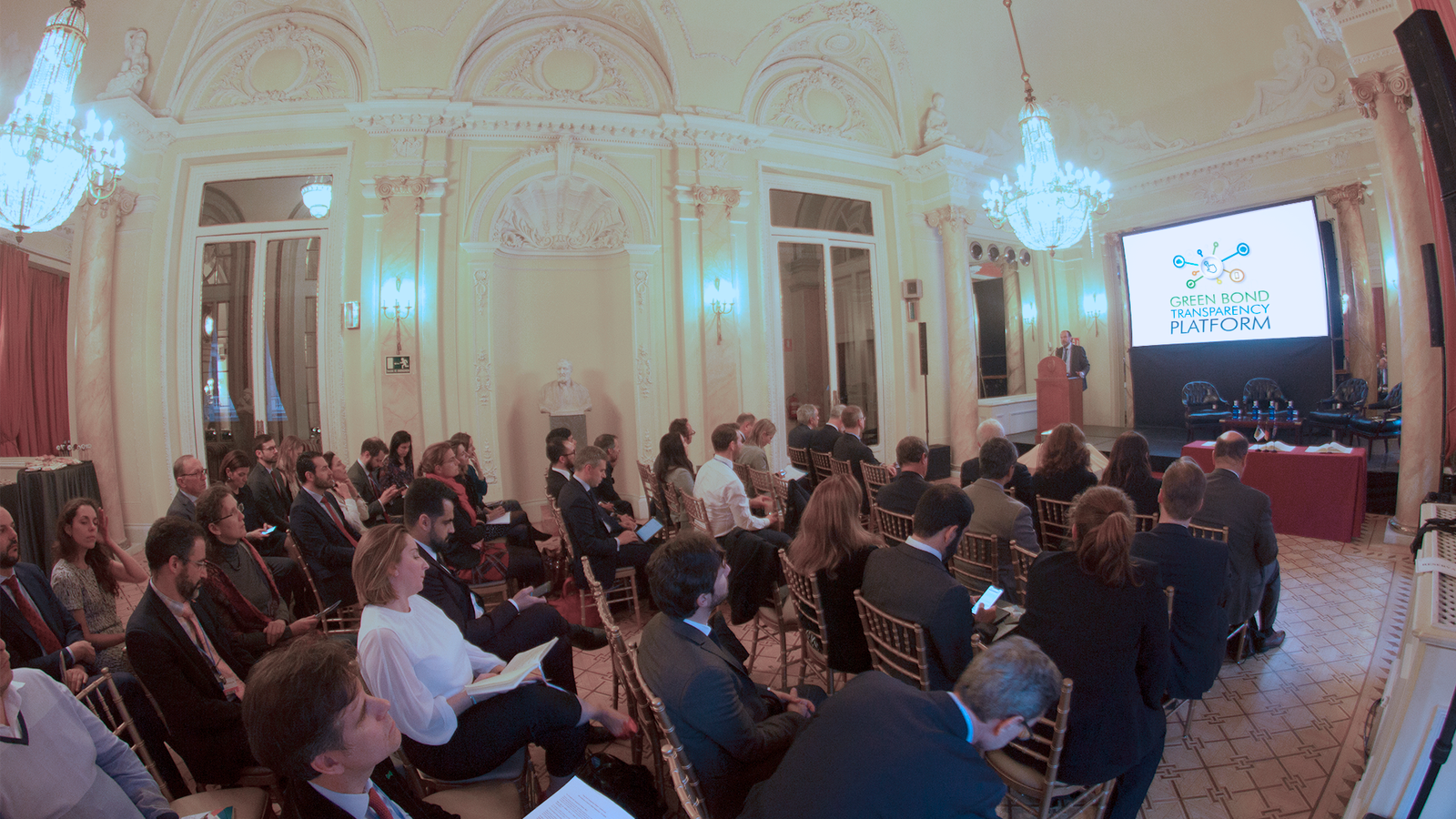
High-profile events and complex projects don’t fail because teams lack ideas. They fail when reality hits, and there’s no room to adapt.
At Ingenious Solutions Factory, we’ve learned that strong processes aren’t about controlling every variable. They’re about creating enough structure and processes to respond intelligently when things change. Because they always do.
Here’s how we approach complex, high-stakes work, and why preparation and improvisation are not opposites, but partners.
1. What clients don’t see: how big projects actually get done
From the outside, successful projects look seamless. On the inside, they’re full of decisions made under pressure.
What clients rarely see is the work that happens before anything goes live:
- defining what cannot fail
- identifying where flexibility is allowed
- preparing scenarios instead of relying on a single plan
Big projects aren’t executed by following a script. They’re executed by teams that know what to protect and what can bend.
2. From idea to execution: why process is our real differentiator
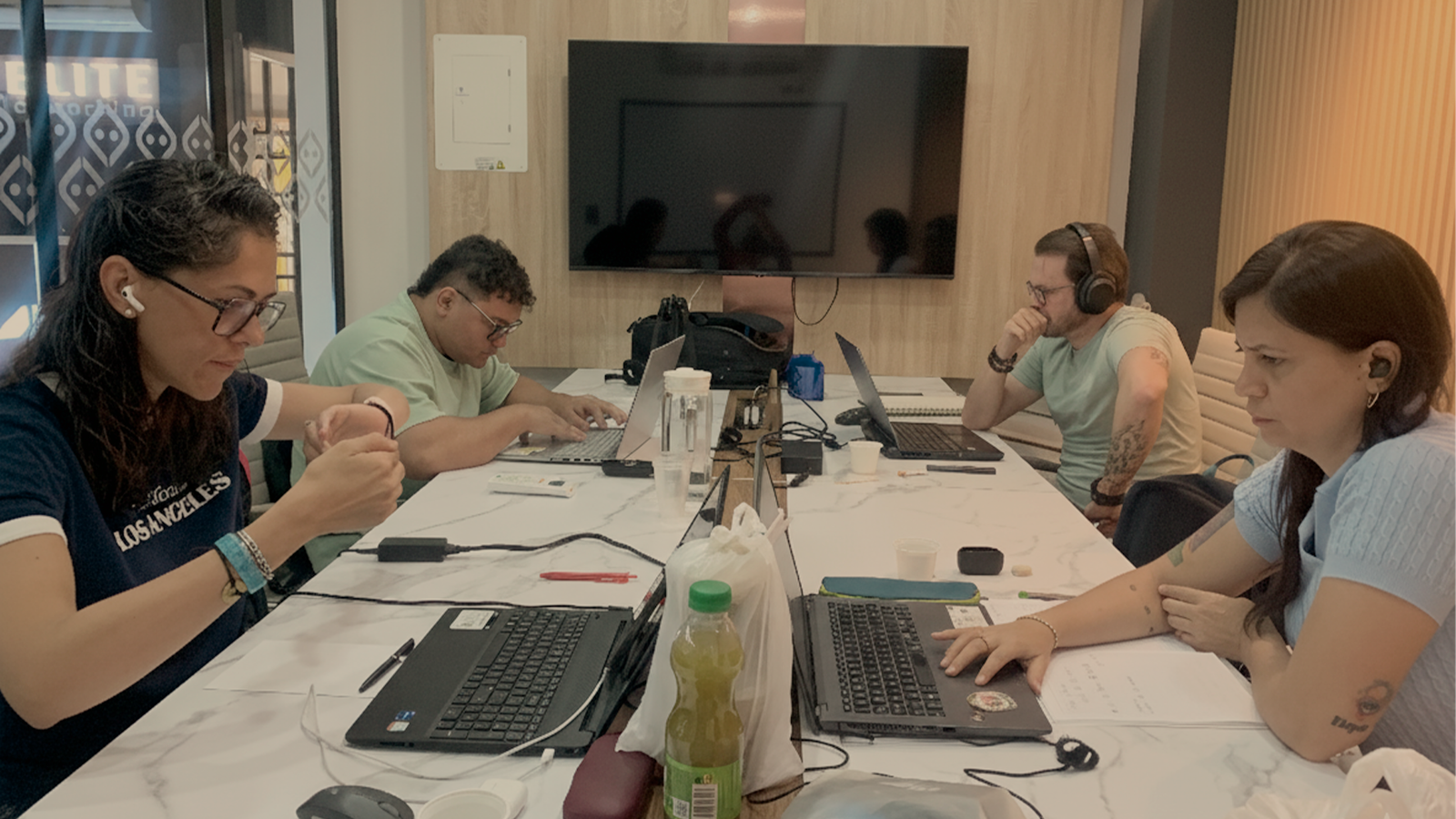
Ideas are the starting point. Process is what keeps them alive.
Our way of working is built around clarity:
- Who decides what, and when
- What happens if timelines shift
- How teams respond when assumptions stop holding
That’s where plans A, B, C, D, and beyond come in. Not as backup documents, but as shared readiness. Everyone knows how far they can go without compromising the experience.
3. High-profile events are systems built to adapt
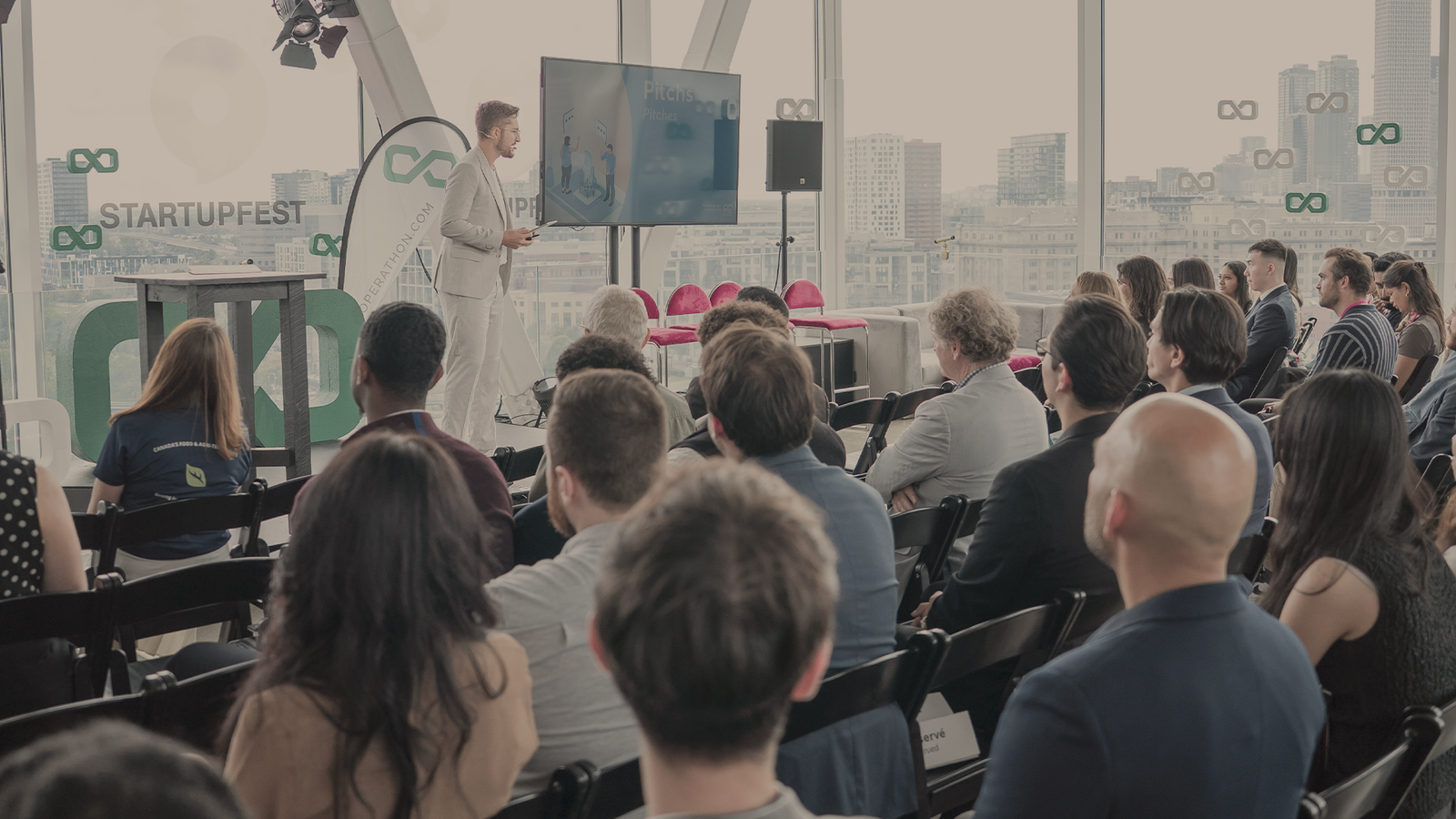
Events are often judged by what the audience sees. We design them around what happens when things don’t go exactly as planned.
A strong event system accounts for:
- timing changes
- technical adjustments
- last-minute decisions
- unexpected constraints
Improvisation only works when the foundation is solid. When roles are clear and trust is in place, teams can adjust in real time without the audience ever noticing.
That’s also where experience matters. Trusting what you know and your team’s expertise becomes essential when pressure is high.
Our Founder and CEO, Ana Salas, often shares a simple example from her work in high-level protocol. During a high-profile event, members of a press team pushed to reposition their representative in an official photo, convinced it would improve their standing. What they didn’t consider was that formal protocol dictates a specific order, one designed to avoid hierarchy conflicts and unintended offense. Guided by experience, Ana followed the correct protocol. The photo was balanced, respectful, and correct, without tension or fallout.
That decision wasn’t about improvising on the spot. It was about knowing when to adapt and when to trust the structure already in place.
4. What changes when the client and the stakes are big
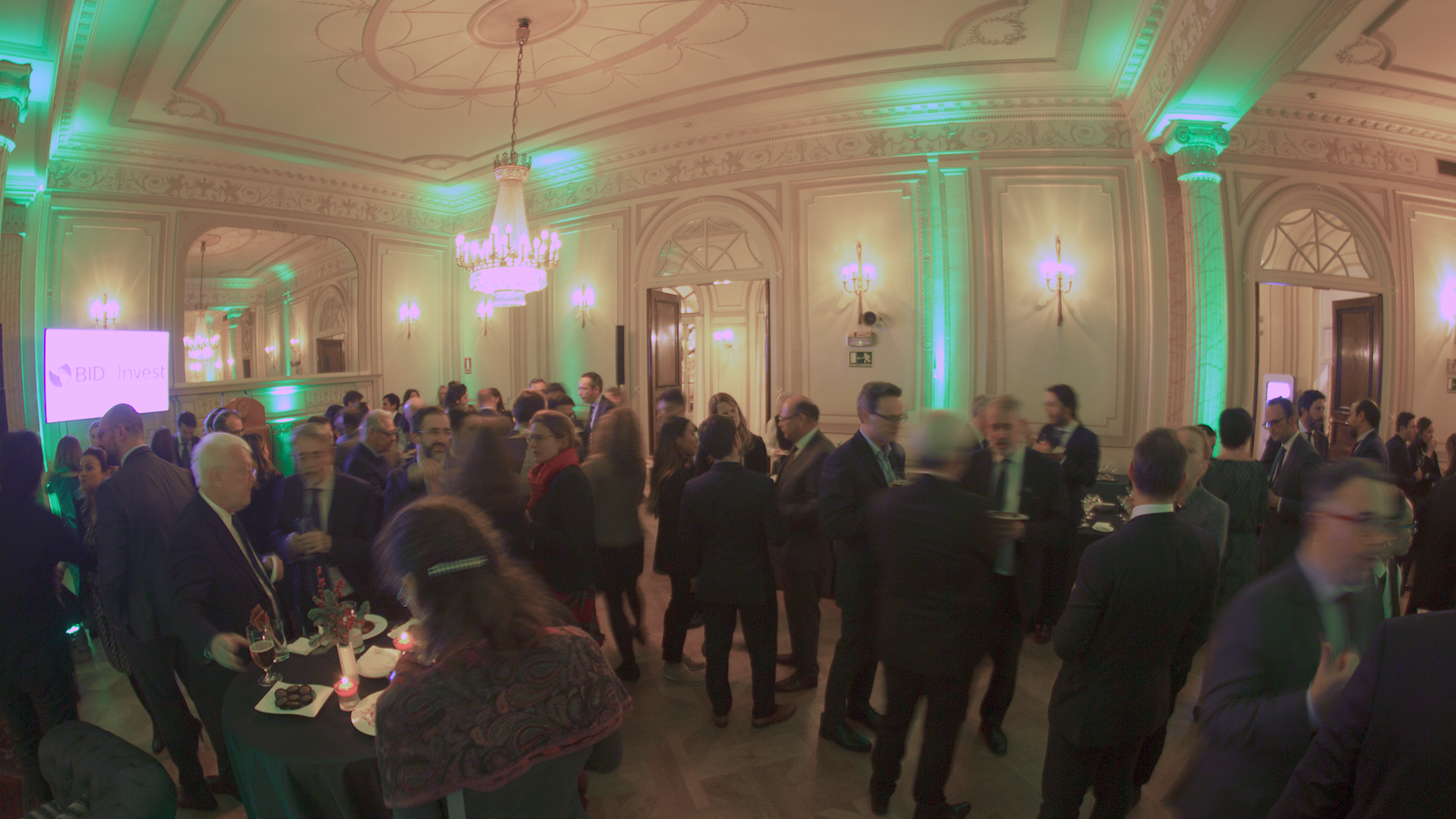
Larger clients bring more complexity, not just more visibility.
That means:
- Yes, more decision-makers
- Higher expectations
- Longer-term consequences
At that level, professionalism is about clear documentation, shared language, and mutual trust, and it becomes non-negotiable.
5. Process creates confidence when plans change
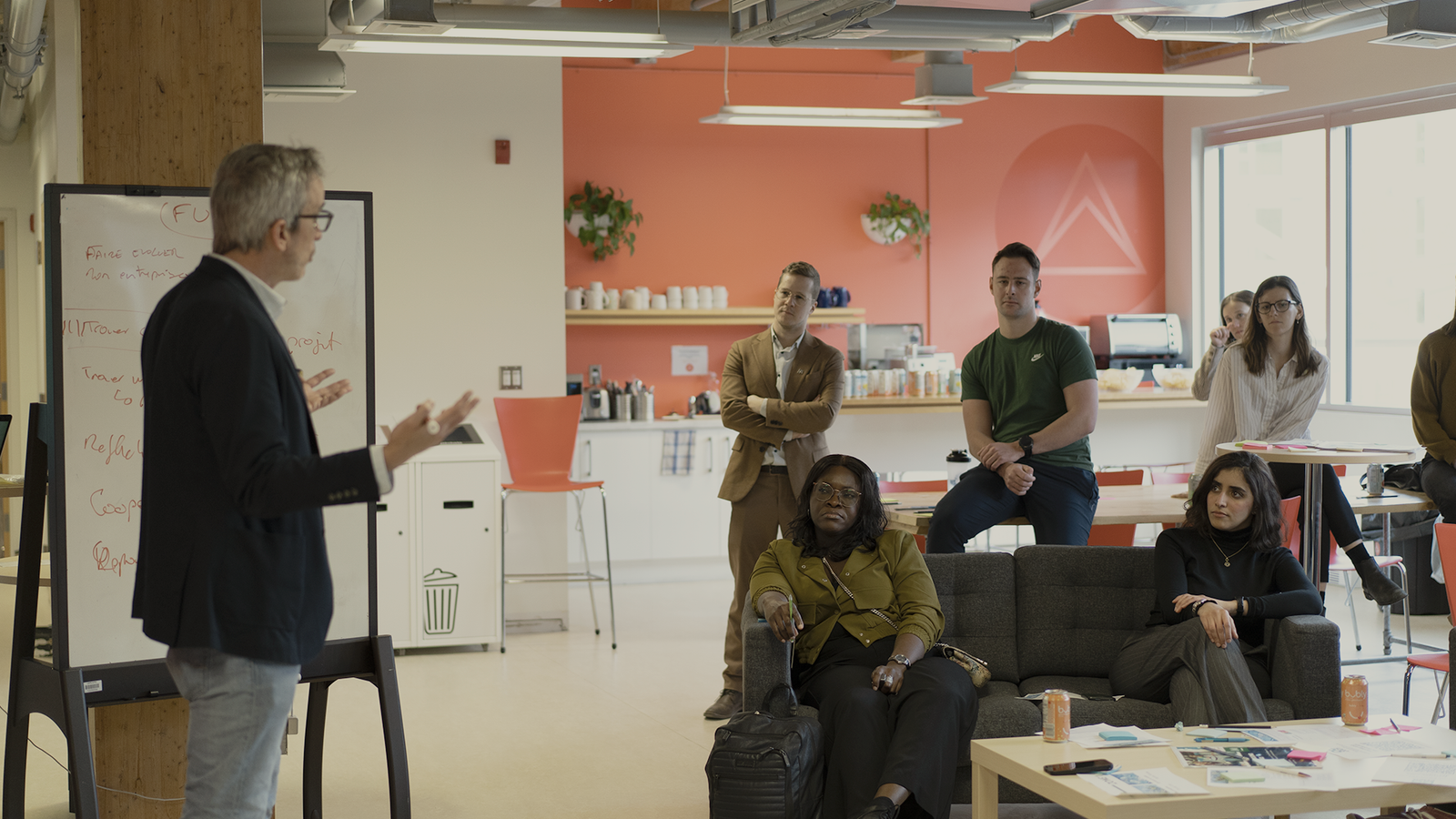
Tools help. Experience guides.
Process is what keeps teams grounded when conditions shift.
A strong process doesn’t aim to predict every outcome. It creates clarity around what matters most, who decides what, and how far a team can stretch without breaking the experience.
That’s what allows improvisation to work, not as a reaction, but as an informed response.
When everyone understands the structure, decisions can be made calmly, even under pressure. Adjustments happen without panic. The work stays intact.
That’s how we approach complex projects and high-profile events: with systems designed to support creativity, preparation that allows flexibility, and teams trusted to act when reality changes the plan.
In practice, this also means being resourceful.
Sometimes what’s needed wasn’t planned, or simply didn’t arrive. We’ve handled situations as simple and symbolic as sourcing a country’s official flag at the last minute when a delegation arrived without it. Knowing how to think fast, where to look, and who to call is part of the work.
That kind of readiness only comes from experience, networks, and teams used to solving problems quietly, before they become visible.
Thinking about your next high-profile event?
Surround yourself with people who know how to plan, adapt, and see it through.
Stay Ingenious.